


Blog
Tutorials, guides, product news and engineering insights from the team that runs your hosting.
Latest Posts
File Permissions: 644, 755 and Why You Should Never Use 777
The advice "the plugin won't upload, set permissions to 777" is everywhere online. It rarely fixes the problem and puts your site at needless risk. First, what …
301 Redirects with .htaccess: HTTPS, www and Old URLs
When a page's address changes, visitors and search engines need to reach the new one. The standard way is a 301 (permanent) redirect. Our LiteSpeed server reads…
WHOIS Privacy and RDAP: Who Can See Your Domain Details?
When you register a domain you have to provide a name, email, address and phone number. In the past most of this was plainly visible in WHOIS records anyone cou…
What Happens When Your Domain Expires?
A domain isn't bought once and kept forever; it is registered for a set period and must be renewed. A domain that isn't renewed first stops working and can then…
A Support Workflow for Resellers: Who Fixes What?
In reseller hosting, your clients are your customers, and you are their first point of contact. You can solve most questions yourself in a few minutes. For serv…
Creating Your First Client Account with a WHM Reseller Plan
Reseller hosting lets you create separate cPanel accounts for your own clients. Each client gets their own panel, password and resource limits, while you manage…
What Is a Cron Job in cPanel, and How Do You Set One Up for WordPress?
Jobs such as backups, newsletter sends, stock syncs or publishing scheduled posts should run by themselves at set intervals. On Linux servers, cron does this. T…
7 Checks Before Upgrading Your PHP Version
Each PHP version only receives security updates for a limited time. A site on an unsupported version has to live with security holes that will never be patched.…
Core Web Vitals: Reading LCP, INP and CLS from a Hosting Perspective
Core Web Vitals are the three metrics Google uses to measure real user experience. Understanding them lets you tell whether a "slow site" complaint comes from t…
Making Website Images Smaller Without Losing Quality
On most web pages, images make up the largest share of the data. So the easiest way to speed up a slow page is usually to fix the images, not the server. 1. Upl…
Installing WordPress Manually in cPanel: Step by Step
Installing WordPress by hand means you know exactly what you did, and makes it easier to understand where each part lives when something goes wrong later. It ta…
Setting Up LiteSpeed Cache for WordPress: Safe Starting Settings
Our plans run on LiteSpeed Web Server. On this server the most effective caching solution for WordPress is the free LiteSpeed Cache plugin, which talks directly…
Protecting Your Hosting Account: Passwords, 2FA and Access
A hacked website rarely starts with a sophisticated attack. More often it starts with a guessed password or one leaked from another site. On the hosting side th…
Taking Your Own Backup in cPanel: Files, Database and Email
On our plans, accounts are backed up automatically twice a week. Still, no backup replaces a copy you hold yourself. Before a major update, a redesign or a move…
Can You Send Bulk Email from Shared Hosting?
As your customer list grows, it is tempting to send the newsletter straight from the email address in your hosting account. The short answer: it works for a sma…
Why Do Your Emails Land in the Spam Folder?
You sent a quote and heard nothing back, then the recipient found your message in spam. It is frustrating and can cost you business. Mail providers weigh many s…
Setting Up Business Email on Your Phone and Computer: IMAP, POP3 and SMTP
After you create an email account in cPanel, you can read messages in webmail in the browser. Most people, though, want their email on their phone and in a desk…
Why Isn't AutoSSL Issuing a Certificate? 6 Common Causes
On our plans, SSL certificates are issued and renewed automatically by cPanel's AutoSSL through Let's Encrypt. Most of the time you don't need to do anything. I…
Addon Domain, Subdomain and Alias: What's the Difference?
When you add a domain in cPanel you are offered three options. The wrong choice can make your second site open inside your main site, or send email somewhere un…
How Much Monthly Traffic Will Your Site Use? A Simple Calculation
The "monthly traffic" on a hosting plan is the total amount of data your server sends to visitors. Most small sites never get near the limit, but an image-heavy…
What Is an Inode Limit, and Why Does It Fill Up When the Disk Is Empty?
Hosting plans list an inode limit next to disk space. If you get a "quota exceeded" warning while half your disk is free, the inode count is almost certainly th…
8 Settings to Check the First Time You Log In to cPanel
When your hosting account is created, cPanel greets you with dozens of icons. You don't need to learn them all on day one. This guide lists the settings that ma…

NVMe vs SSD Hosting: Why Storage Speed Matters for Your Website
"NVMe" shows up on almost every hosting plan these days, usually in bold. But what does it actually change for your website, and is it worth paying attention to…

How to Move Your Website to a New Host Without Downtime
Switching hosts sounds risky, and most people put it off for exactly that reason. The good news is that a careful migration doesn't need any downtime at all. Yo…
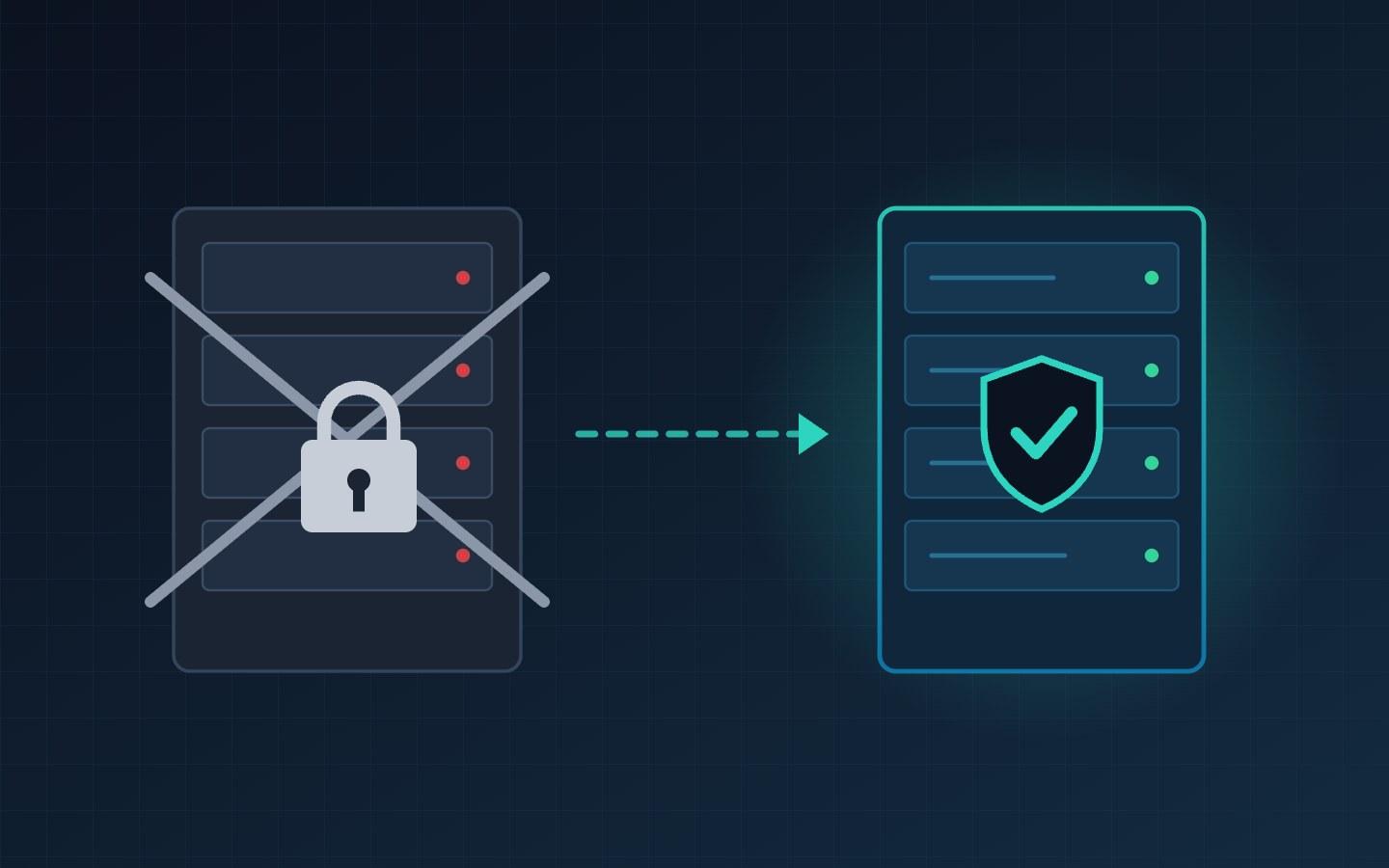
Virtualine Seized by the FBI: What Really Separates Offshore Hosting From "Bulletproof" Hosting
If you tried to open virtualine.net in the last few days, you didn't get a pricing page. You got a seizure notice from the Federal Bureau of Investigation. For …

What to Do If Your WordPress Site Looks Compromised
An unfamiliar administrator, unexpected redirects or altered pages deserve prompt investigation. They do not all prove the same type of incident. Begin with a s…

Website Migration: Build a Rollback Plan Before You Move
A rollback plan is easiest to write before a migration, when the old site still works. It should say more than “change DNS back.” Once visitors submit forms or …

SPF, DKIM and DMARC for Business Email
Your business may send email from a mailbox provider, a website form and an invoicing service. Configuring only the mailbox leaves part of that picture unfinish…

A Website Backup Is Only Useful If You Can Restore It
A backup file can exist without being usable. It might contain yesterday's database but last month's uploads, or require a decryption key nobody can find. The m…

Fix HTTPS and Mixed Content After Installing SSL
Installing a certificate is only one part of moving a site to HTTPS. A page can open through an encrypted connection while its template still requests an image,…

Domain Transfer vs Website Migration: Plan Both Clearly
Moving a domain to a new registrar does not move your website files. Moving a website to a new hosting account does not transfer domain ownership. Treating thes…

DNS Propagation: What TTL Can and Cannot Tell You
You change a website's IP address and your laptop opens the new site, but a colleague still sees the old one. This is often described as propagation. DNS is not…

Change Nameservers Without Losing Business Email
A nameserver change moves responsibility for answering DNS queries. It does not automatically copy your existing records. If the destination zone contains only …

DNS Records Explained: A, AAAA, CNAME, MX and TXT
A website can work while its email fails because DNS does several different jobs. Before replacing a record, identify which service it controls. A tidy-looking …

Choose a Domain Name Customers Can Remember
A domain name has to work in conversation as well as in a browser. Imagine telling a customer your address over the phone. If you need to explain three hyphens,…

Secure Your WordPress Admin Without Locking Yourself Out
A small business often shares one WordPress administrator login with its designer, editor and owner. That feels convenient until someone leaves or an unexpected…

WooCommerce Caching Without Breaking Checkout
A fast product page is useful only if the customer can still place the right order. WooCommerce caching needs a distinction between public catalogue content and…

Update WordPress Safely with a Staging Checklist
The safest update routine is one you can repeat when you are busy. It should identify what changed, prove that important functions still work and leave a usable…

WordPress Caching: Page, Browser and Object Cache
A cache keeps work that does not need to be repeated immediately. The confusing part is that “clear the cache” may refer to several independent places. Clearing…

WordPress Launch Checklist: Before You Share the Link
A WordPress installation is the beginning of a launch, not the end. The useful final test is whether someone can find the right page, read it on a phone and com…

Server Location or CDN: Where Should You Start?
A server close to your visitors can reduce network travel, but a country name alone does not determine page speed. Routing, application processing and the deliv…

Hosting CPU, RAM and I/O Limits Explained
A website can run out of processing resources while plenty of disk space remains. Storage tells you how much data an account can hold; CPU, memory and I/O descr…

NVMe Hosting: What Storage Speed Really Changes
“NVMe or SSD?” is an awkward comparison: NVMe is a communication protocol, and an NVMe drive is commonly an SSD. The useful hosting question is how the storage …

Shared Hosting or VPS: Which Fits Your Website?
A VPS is not automatically the right next purchase when a website feels slow. First decide whether you need more resources, a different configuration or help ma…

How to Choose Web Hosting for Your First Website
A hosting comparison becomes easier when you describe the website before comparing prices. A five-page business website, a membership area and a busy shop can h…
No Posts Found
Try a different category or clear your search to see everything.